
"washed Ethiopian coffee"
3000 article(s) found

Introduction to the quality characteristics of the method of describing the Flavor of Ethiopian Yega Xuefei washed G1 Coffee
Ethiopian coffee washing technology Yejaschefine itself is a small town with a population of about 20,000. Because the taste of coffee produced by Wenago, Kochere and Gelena Abaya is similar to that of Yejasuffe, it is similarly classified into the regional category of Yejasuffe. Yejasuffe is similar to Sidamo in both cultural and geographical environment.

Ethiopian Coffee Bean Story-relationship between Ethiopian Coffee Bean grading and defect rate
Professional coffee knowledge exchange more coffee bean information please follow the coffee workshop (Wechat official account cafe_style) in all the coffee producing areas, the most familiar is Ethiopia, because this is the recognized birthplace of coffee. At first, coffee fruit was regarded as a fruit rather than a drink. Ethiopian coffee beans taste very diverse, from oranges and flowers

Unique Ethiopian Coffee Estate Boutique Coffee Bean Cultivation Location Climate Sea
Ethiopia is home to Arabica coffee, and it is in the forests of the Ethiopian Kaffa region that you can see Arabica coffee growing wild. In Ethiopian, coffee is called Bun or Buna, and coffeebean may be translated from Kaffa Bun. Arabica coffee was discovered early in the Harar area and is likely to come

Description of flavor and aroma of Ethiopian washed Sidamo G1 Hilameli coffee
Professional baristas please follow the Coffee Workshop (Wechat official account cafe_style) products: Ethiopia washed Sidamo G1 Ethiopia Sidamo Chire Ameli G1 Washed flavor description: rose, citrus, elegant acidity, peach, caramel mild and clean balance, long, lively and varied fruit flavor. Ripe berries have more flavor.
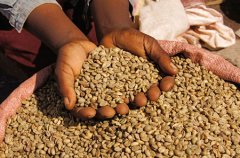
Ethiopian boutique coffee introduces Ethiopian boutique coffee to grow African Arabica coffee
Ethiopia is one of the major producers of Arabica coffee in Africa, producing the best Arabian coffee in the world. It is said that coffee was first discovered by shepherds in Essekafa, and the name of coffee evolved from Kafa, so Essex is still the hometown of coffee. The geographical environment of coffee production and processing is very suitable for coffee growth. Coffee is mainly cultivated.

The Ethiopian single producer plan introduces how the Sidamo production area is divided into sub-production areas.
Coffee in Ethiopia usually follows one of two ways: real estate coffee or collective land. It is easier to understand (but harder to encounter) the production path of manor coffee grown and sold in the name of the manor. The supply chain of Ethiopian manor coffee is largely similar to that of Central America because the farm is made up of wealthy Ethiopian nationals or Ethiopian countries.

Ethiopian single bean producing area introduces how to brew Ethiopian single bean.
Professional baristas please pay attention to the coffee workshop (Wechat official account cafe_style) washed coffee accounts for 35% of exports. Good quality washed coffee is processed with freshly picked fully ripe fruit, picked carefully and closely monitored by professionals. The picked clean coffee beans are pulped on the day of picking, then fermented, washed, dried and peeled. Processed

Introduction of Grinding scale for quality characteristics of Ethiopian Guji Coffee Flavor description
Ethiopian Gucci Coffee Flavor description treatment quality characteristics Grinding scale introduction washed Ethiopian wild djimmahjima mocha coffee, wild appearance, is gentle heart; it is indeed a relatively high quality low acidity coffee. Sidamo Sidamo sidamo Ethiopia Sidamo is a type of single origin, growing in Allah, Sidamo Province, Ethiopia

Ethiopian coffee treated with water to introduce boutique coffee
Ethiopian sun beans are generally G3--G5, but they are G2 (I will open a new post for Ethiopian coffee beans), which is equal to the grade of washed beans. Although there are still a few defective beans, they are commendable compared to the sun beans of Harald and Sidamo. This bean is baked before the second explosion, and is brewed by hand and siphon. When grinding the beans, you can smell the sweet aroma of the sun.

Ethiopian washed Sidamo G1 shakisso coffee beans Flavor characteristics, producing areas and brewing parameters
Professional barista communication please pay attention to coffee workshop (Weixin Official Accounts cafe_style )[Plant introduction] Shakisso (Shakisso) is located in Sidama's Guji production area, south of Oromia area, close to Sidama and Gedeo. There are many pits in this area, which were used for gold mining in the early days, so there are many pits in this coffee growing area.

Introduction to the Origin of Ethiopian Coffee
Growing in the western highlands of southern Ethiopia (the border of Shewa and Sidmo provinces), east of Jima, north of Sidamo, most Europeans and Americans prefer 3600-6200 feet above sea level, most of them are washed with water, their annual output is about 110000bags/60kg, most of the beans are round (15/16scr), the color is green and bluish, the export is mostly G2 grade, the taste is similar to Yegashev, but the viscosity is simple.

Introduction to the flavor description treatment method of Shaqiso producing area of Ethiopian coffee beans
The flavor description method of Ethiopian coffee beans in Shaqiso production area introduces that the stability of Ethiopian water-washed beans is much better than that of sun-dried beans, and the flavor of the latter fluctuates greatly every year, so be sure to test it several times before buying it in large quantities. If you buy good sun-dried beans, their flavor is much deeper than washed beans, but if you buy improperly handled sun-dried beans, it will certainly make people speechless, which is a lot of

Development of Ethiopian Coffee characteristics of Ethiopian Coffee
Coffee Workshop (official Wechat account cafe_style) Coffee from Africa and Arabia: Ethiopian coffee was originally developed in Yemen as a commercial crop, but Arabica coffee tree originated in the highlands across the Red Sea in western Ethiopia, where people are still harvesting wild berries. Today

The origin of Ethiopian coffee is the quality of Ethiopian coffee good Ethiopian coffee brand
Professional coffee knowledge exchange more coffee bean information please follow the coffee workshop (Wechat official account cafe_style)

Characteristics of Ethiopian coffee, origin of Ethiopian coffee
Pay close attention to coffee comment (Weixin Official Accounts vdailycom ) and find that the geographical environment of Ethiopia is very suitable for coffee growth. Coffee is mainly grown in the southern highlands between 1100 and 2300 meters above sea level. The main coffee producing areas are Harar, Limu, Djimma, Sidamo and Ka.

Sidamo coffee beans wash Sidamo boutique coffee beans Ethiopian plateau and other places
Ethiopia is the hometown of Arabica coffee, and it is in the forests of Kaffa that you can see wild Arabica coffee. In Ethiopian, coffee is called Bun or Buna, and coffee beans (coffeebean) may be translated from Kaffa Bun. Arabica coffee was discovered early in the Harar area and is likely to come.

Introduction to the characteristics of Ethiopian Coffee producing area in Sidamo
According to the above four different modes of production, Ethiopian coffee can be divided into nine major coffee producing areas, including five boutique coffee areas: Sidamo, Yegashefi, Harald, Lim, Lekhampdi, and four general commercial bean producing areas: Gemma, Irugbagbo, Tibby and Bekaa. The sun or water washing methods are used in each district.

Description of flavor and aroma of Ethiopian washed Aribo coffee
For the exchange of professional baristas, please follow the coffee workshop (Wechat official account cafe_style) ■ country: Ethiopia ■ Manor:-■ producing area: Alibo ■ varieties: Ethiopian native species ■ treatment method: washing ■ harvest time: 2015 cup test report: Alibo is located in western Ethiopia about 15001600 meters above sea level, which is actually the average elevation compared to other areas
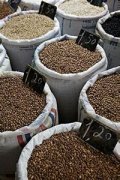
The origin and development of Ethiopian fine coffee beans
Ethiopian coffee beans
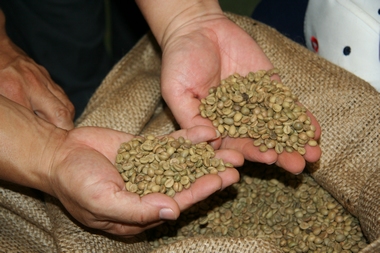
The main producing areas of coffee are in southern Brazil and Ethiopian highlands. Ethiopian coffee imports pass.
Ethiopia is one of the major producers of Arabica coffee in Africa, producing the best Arabian coffee in the world. It is said that coffee was first discovered by shepherds in Essekafa, and the name of coffee evolved from Kafa, so Essex is still the hometown of coffee. The geographical environment of coffee production and processing is very suitable for coffee growth. Coffee is mainly cultivated.